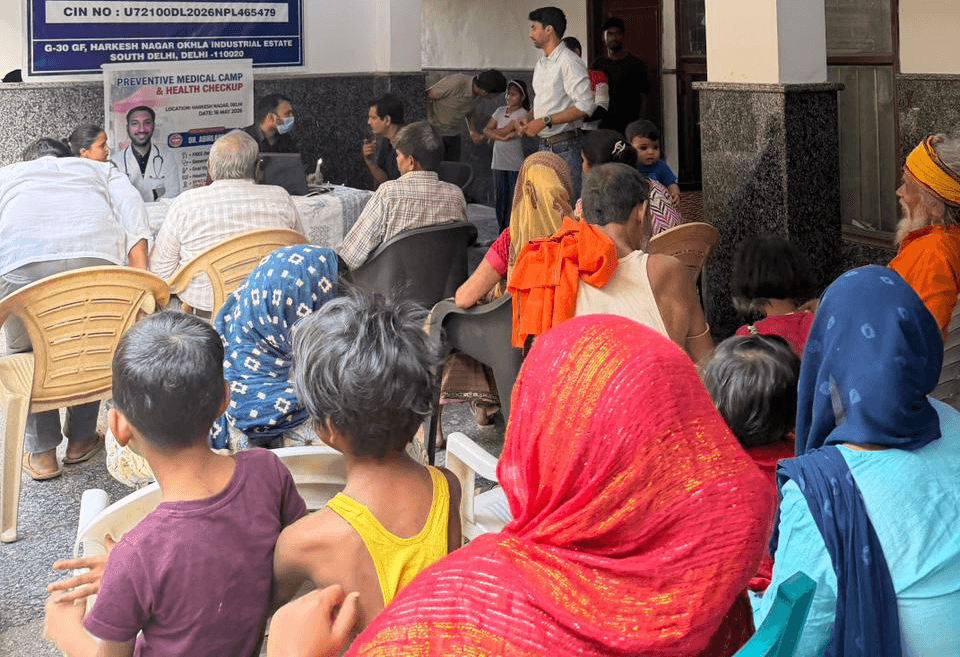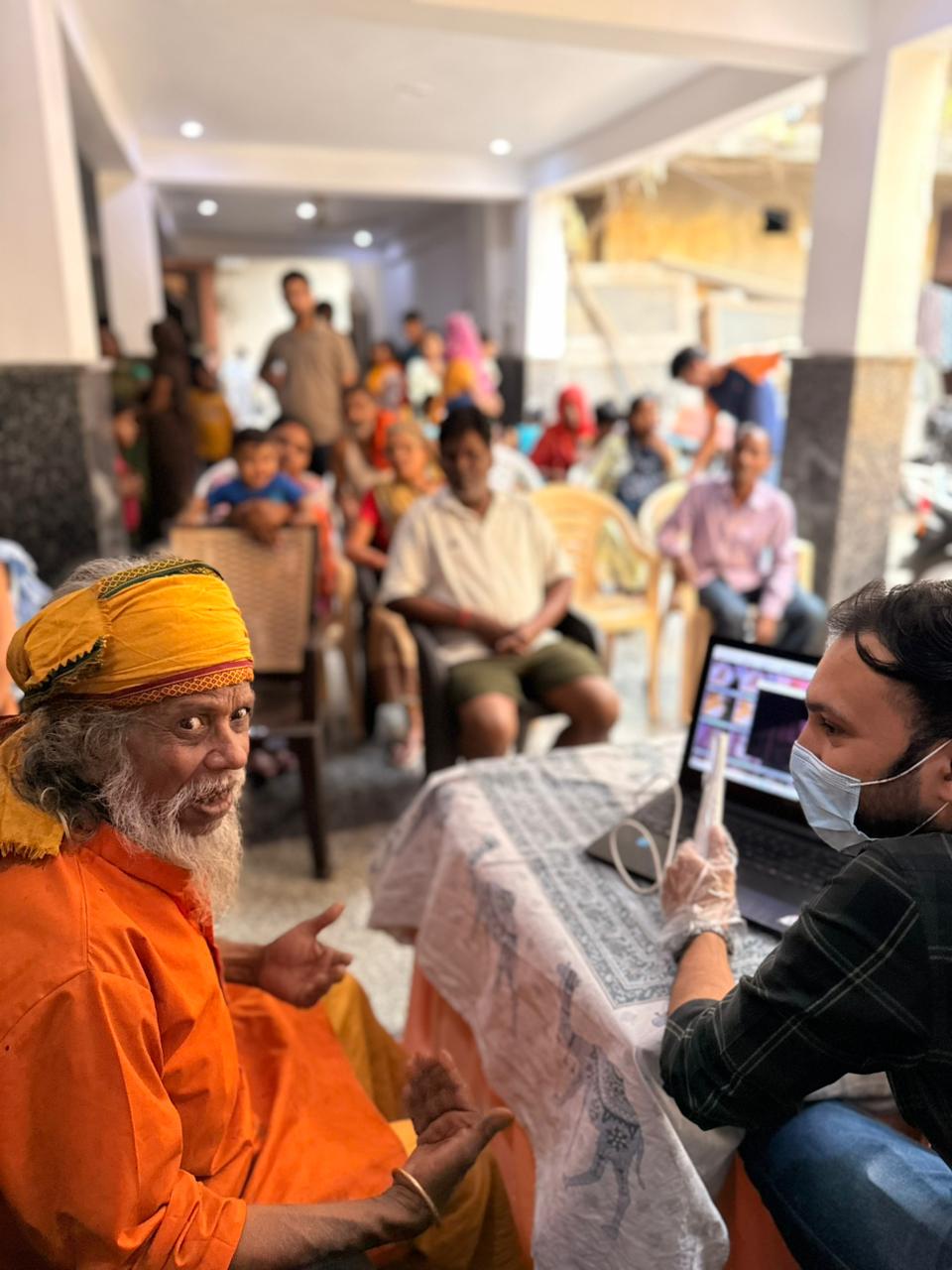
Our flagship initiative designed to catch cancer in its earliest, most treatable stages. Through community-level screenings and health literacy programs, we empower individuals with the early diagnostics needed to save lives
Introduction: A Disease We Can Fight Before It Begins
The word "cancer" carries fear. It silences rooms. It changes lives overnight.
But here is something that most people do not know: a significant proportion of cancers do not have to happen.
Preventive oncology is the branch of medicine dedicated to reducing the risk of cancer before it develops — through education, lifestyle changes, vaccination, and early screening. It is not about waiting for a diagnosis. It is about making sure, as much as science allows, that the diagnosis never comes.
According to the World Health Organization (WHO), between 30 and 50 percent of all cancer cases are preventable by avoiding known risk factors and applying evidence-based prevention strategies. A landmark 2026 study published in The Lancet Global Health found that nearly 48 percent of all cancer deaths in 2022 were avoidable — through primary prevention, early detection, and timely treatment.
That is not a small number. That is millions of lives.
This blog is an introduction to preventive oncology — what it is, why it matters, and what each of us can do about it. It is written for students, families, and anyone who has ever wondered whether cancer can be stopped before it starts.
Part 1: What Is Preventive Oncology?
Preventive oncology is a field within cancer medicine that focuses on three interconnected goals:
Reducing the risk of cancer developing in the first place, by addressing the factors that are known to cause it.
Detecting cancer early, when it is most treatable and before symptoms appear.
Managing precancerous conditions before they progress into full-blown malignancy.
The field draws from epidemiology (the study of disease patterns in populations), genetics, nutrition science, immunology, and public health. It is not one doctor's job — it requires communities, governments, and individuals all working together.
Medical science recognises three levels of prevention. Understanding them helps us see where and how we can act.
Part 2: The Three Levels of Cancer Prevention
Primary Prevention — Stopping Cancer from Starting
Primary prevention means removing or reducing the causes of cancer before any disease develops. This is the most powerful level, because it targets the root.
Examples include:
Quitting tobacco use
Reducing alcohol consumption
Maintaining a healthy body weight
Eating a diet rich in whole foods and fibre
Regular physical activity
Vaccination against cancer-causing infections
Protecting skin from ultraviolet radiation
Reducing occupational and environmental exposures to carcinogens
A 2026 IARC analysis found that primary prevention alone — specifically targeting tobacco use, alcohol, excess body weight, infections, and UV radiation — could have prevented 3.1 million cancer deaths in the year 2022.
Secondary Prevention — Finding Cancer Early
Secondary prevention focuses on detecting cancer or precancerous changes at the earliest possible stage — ideally before a person even has symptoms. This is done through screening programmes.
Examples include:
Pap smear and HPV testing for cervical cancer
Mammography for breast cancer
Colonoscopy for colorectal cancer
Low-dose CT scans for lung cancer (in high-risk groups)
Oral cavity examination for tobacco users
PSA testing for prostate cancer (with clinical guidance)
The principle is simple: the earlier cancer is found, the more treatable it is, and the better the patient's chances of survival. For cervical cancer, for example, the five-year survival rate for stage I disease is over 90 percent. For stage IV disease, it drops to below 20 percent.
Source: American Cancer Society, Cancer Facts & Figures, 2024.
Tertiary Prevention — Reducing Impact After Diagnosis
Tertiary prevention applies to patients who have already been diagnosed. The goal is to minimise the impact of cancer, prevent recurrence, manage side effects of treatment, and support quality of life.
This includes cancer rehabilitation, palliative care, survivorship programmes, and psychological support. While not commonly discussed in public health conversations, tertiary prevention is a critical component of comprehensive oncology care.
Part 3: Understanding the Risk Factors for Cancer
Risk factors do not cause cancer with certainty — they increase the probability. Some are modifiable (we can change them), others are not. Knowing the difference helps us focus our efforts wisely.
Lifestyle Risk Factors
Tobacco use is the single greatest preventable cause of cancer globally. According to WHO, tobacco smoke contains over 7,000 chemicals, at least 69 of which are known carcinogens. Tobacco is responsible for cancers of the lung, mouth, throat, oesophagus, stomach, pancreas, kidney, bladder, and cervix. Globally, tobacco kills more than 8 million people every year from cancer and other diseases.
Alcohol is classified as a Group 1 carcinogen by the International Agency for Research on Cancer (IARC). Even moderate drinking increases the risk of cancers of the mouth, throat, oesophagus, liver, colon, and breast. There is no universally "safe" level of alcohol consumption when it comes to cancer risk.
Physical inactivity and obesity are established risk factors for at least 13 types of cancer, including breast, colon, endometrial, oesophageal, and kidney cancers. Excess body fat promotes chronic inflammation and increases circulating levels of insulin and oestrogen, both of which can drive tumour growth.
Diet plays a significant but complex role. Diets low in fibre and high in processed meat have been linked to colorectal cancer. Low consumption of fruits and vegetables is associated with multiple cancer types. Conversely, plant-rich diets, whole grains, and limited red meat are associated with lower cancer risk. The World Cancer Research Fund's Diet, Nutrition, Physical Activity and Cancer: a Global Perspective report (2018) is the most comprehensive evidence summary available on this topic.
Environmental and Occupational Risk Factors
Air pollution — both outdoor and indoor — is a recognised carcinogen. The IARC classifies particulate matter from outdoor air pollution as a Group 1 carcinogen for lung cancer. In India, indoor air pollution from burning solid fuels (biomass, wood, coal) is a significant contributor to lung and oral cancers, particularly in rural women.
Ultraviolet (UV) radiation from the sun and tanning beds causes the vast majority of skin cancers, including melanoma.
Occupational exposures to asbestos, benzene, formaldehyde, arsenic, and other chemicals are well-documented causes of lung, bladder, and blood cancers. Workers in mining, construction, agriculture, and manufacturing face disproportionate risk.
Infectious Agents
It is often not appreciated that infections cause approximately 13 percent of all cancers worldwide, rising to over 20 percent in low- and middle-income countries.
Key cancer-causing infections include:
Human Papillomavirus (HPV) — causes virtually all cervical cancers, as well as cancers of the anus, vulva, vagina, penis, and oropharynx
Hepatitis B Virus (HBV) and Hepatitis C Virus (HCV) — major causes of liver cancer
Helicobacter pylori (H. pylori) — the primary cause of stomach cancer
Epstein-Barr Virus (EBV) — linked to lymphoma and nasopharyngeal cancer
Source: IARC, Infections and Cancer, 2023.
Genetic Risk Factors
Around 5 to 10 percent of cancers are caused by inherited gene mutations. The most well-known examples are mutations in the BRCA1 and BRCA2 genes, which significantly raise the risk of breast and ovarian cancer. Lynch syndrome is associated with increased colorectal and endometrial cancer risk.
Genetic counselling and testing are available for individuals with a strong family history of cancer. A positive test does not mean cancer is inevitable — it means heightened surveillance and preventive measures can be put in place early.
Part 4: Evidence-Based Prevention Strategies
Prevention works. Here is what the science says.
Tobacco Cessation
Quitting tobacco — at any age — reduces cancer risk. A person who quits smoking by age 40 reduces their risk of dying from a smoking-related cancer by approximately 90 percent. Even quitting at 60 brings significant benefit.
Every country should implement WHO's MPOWER framework: Monitor tobacco use; Protect people from tobacco smoke; Offer help to quit; Warn about the dangers; Enforce bans on advertising; and Raise taxes on tobacco products.
Source: WHO MPOWER, 2023. https://www.who.int/initiatives/mpower
Diet and Nutrition
The World Cancer Research Fund recommends:
Eating whole grains, vegetables, fruits, and legumes
Limiting consumption of processed and red meats
Avoiding sugar-sweetened drinks
Not relying on supplements for cancer prevention — whole food nutrients are superior
These dietary patterns are associated with lower risk of colorectal, oesophageal, stomach, and breast cancers.
Source: World Cancer Research Fund / American Institute for Cancer Research, Diet, Nutrition, Physical Activity and Cancer: a Global Perspective, 2018. https://www.wcrf.org/dietandcancer
Physical Activity
The evidence for physical activity reducing cancer risk is robust. Regular exercise is associated with reduced risk of breast cancer (by 12–21%), colon cancer (by 19%), and endometrial cancer (by 20%). The mechanism involves reduced obesity, lower inflammation, and improved immune function.
WHO recommends at least 150–300 minutes of moderate-intensity aerobic activity per week for adults, alongside muscle-strengthening exercises twice a week.
Source: WHO Global Recommendations on Physical Activity for Health, 2020. https://www.who.int/publications/i/item/9789241599979
Vaccination
Two vaccines with proven cancer-preventive effect are currently available:
HPV vaccine — protects against HPV strains responsible for cervical cancer and other HPV-associated cancers. Most effective when given before sexual debut, typically between ages 9 and 14. Clinical trials show efficacy of over 90 percent against targeted HPV strains. India's government-recommended HPV vaccine (Cervavac, developed indigenously by Serum Institute of India) became available in 2023.
Hepatitis B vaccine — prevents HBV infection, which is the primary driver of liver cancer. India includes it in the Universal Immunisation Programme (UIP). Coverage needs to be maintained and improved.
Sources: WHO HPV Vaccine Position Paper, 2022; India Universal Immunisation Programme, 2023.
Alcohol Reduction
The WCRF states clearly: for cancer prevention, it is best not to drink alcohol at all. If consumed, limiting intake to no more than one standard drink per day for women and two for men reduces (but does not eliminate) cancer risk.
Sun Protection
Protecting skin from UV radiation — through sunscreen (SPF 30+), protective clothing, hats, and avoiding peak sun hours — reduces melanoma and non-melanoma skin cancer risk. This is especially relevant for outdoor workers and those living in high-UV regions.
Occupational and Environmental Protection
Workplace safety regulations, restriction of carcinogenic chemicals, and clean cooking fuel programmes (such as India's Pradhan Mantri Ujjwala Yojana) all contribute to lowering environmental cancer risk.
Part 5: The Critical Role of Early Detection and Screening
Early detection saves lives. This is not a slogan — it is one of the most well-supported facts in oncology.
When cancer is diagnosed early, treatment is less aggressive, more successful, and less costly. The five-year survival rate for breast cancer detected at stage I is 99 percent in the United States. At stage IV, it drops to 29 percent. The difference is not in the treatment — it is in when the diagnosis was made.
Cervical Cancer Screening
Cervical cancer is almost entirely preventable. It is caused by HPV, can be detected through Pap smears and HPV DNA tests, and can be cured if caught early. Yet it remains one of the leading causes of cancer death among Indian women, primarily because screening coverage is low.
WHO's global strategy aims to have 90 percent of girls vaccinated against HPV by age 15, 70 percent of women screened twice by age 45, and 90 percent of women with cervical disease accessing treatment.
Source: WHO Global Strategy to Accelerate the Elimination of Cervical Cancer, 2020. https://www.who.int/publications/i/item/9789240014107
Breast Cancer Screening
Breast cancer is the most commonly diagnosed cancer worldwide and the leading cause of cancer death among women. Mammographic screening every 1–2 years for women aged 40–74 reduces breast cancer mortality. Clinical breast examination is an important alternative screening method in resource-limited settings.
Oral Cancer Screening
In India, oral cancer is among the most common cancers, largely driven by tobacco, betel nut, and areca nut use. Visual oral inspection by trained health workers has been shown to reduce oral cancer mortality in high-risk populations.
Source: Sankaranarayanan R, et al., The Lancet, 2005 — Oral cancer screening RCT, India.
Colorectal Cancer Screening
Colonoscopy or stool-based testing for colorectal cancer is recommended for average-risk adults from age 45. Colorectal cancer, if detected at a precancerous or early stage, is almost entirely curable.
Part 6: Why This Matters Especially for India
India faces a unique and urgent challenge.
The burden is rising. According to ICMR's National Cancer Registry Programme, India recorded an estimated 1.46 million new cancer cases in 2022, a number projected to keep rising. Tobacco-related cancers, breast cancer, and cervical cancer are among the top contributors.
Late-stage diagnosis is the norm. In India, more than 60 percent of cancer cases are diagnosed at advanced stages (III or IV), when treatment outcomes are significantly poorer and costs are higher. This is not because Indians have more aggressive cancers — it is because awareness and screening infrastructure are inadequate in large parts of the country.
The preventability gap is enormous. Research published in BMC Cancer (2024) estimated that approximately 70 percent of India's cancer cases are potentially preventable through lifestyle changes and addressing modifiable risk factors, particularly tobacco use and infections.
Inequality of access. The divide between urban and rural India in cancer care is stark. A woman in a Delhi hospital can access HPV vaccination and cervical screening. A woman in a village in Uttar Pradesh or Odisha often cannot. This is not a medical problem — it is a systems and awareness problem.
What is being done — and what needs to be done. India has made important strides: the Ayushman Bharat scheme covers cancer treatment costs for economically vulnerable populations; the government introduced the indigenously developed HPV vaccine Cervavac in 2023; the National Programme for Prevention and Control of Cancer, Diabetes, Cardiovascular Diseases and Stroke (NPCDCS) supports screening at the primary health centre level. But implementation gaps remain wide.
Community-level NGOs, trained health workers, and grassroots awareness campaigns are critical to bridging this gap — particularly in reaching populations who never interact with formal healthcare systems until it is too late.
Part 7: What You Can Do
Prevention is not only a government programme. It begins with individuals and communities.
If you use tobacco in any form, seek help to quit. Government helplines, nicotine replacement therapy, and counselling are available. India's national tobacco cessation helpline is 1800-11-2356.
Get vaccinated. Ensure your daughters (and sons) receive the HPV vaccine. Ensure all family members are vaccinated against Hepatitis B.
Know the warning signs. A persistent lump, unexplained weight loss, a sore that does not heal, blood in stool or urine, a change in bowel habits, or a non-healing oral ulcer — these warrant medical attention promptly.
Participate in screening. If you are a woman above 30, ask your doctor about cervical screening. If there is a family history of any cancer, speak to a doctor about your risk.
Share credible information. Misinformation about cancer — particularly myths that discourage people from seeking screening or vaccination — costs lives. Sharing accurate, science-based information with your family and community is a form of prevention in itself.
Conclusion: The Science Exists. The Question Is Reach.
Preventive oncology is not a futuristic concept. The tools exist today — vaccines, screening tests, tobacco cessation support, dietary guidelines, and awareness programmes. The science is clear. The challenge is ensuring that these tools reach the people who need them most.
In 2022, there were an estimated 20 million new cancer cases and 9.7 million deaths worldwide. The global cancer burden is expected to increase by 77 percent by 2050 — unless we act now. Around 70 percent of India's cancer cases are potentially preventable through lifestyle changes and addressing modifiable risk factors like tobacco use and infections.
At Varya Life Sciences Foundation, we believe that prevention is the most powerful, most equitable, and most cost-effective strategy against cancer. A screening camp in a village. A conversation in a school. A grandmother who learns to recognise the signs. A young girl who receives the HPV vaccine.
These are not small acts. They are the difference between a life lost and a life lived.